

Deneyiminizi Bahis Dunyasinda Guçlendirin bahiscom İle
29 08 2026
In 2020, Australia recorded 2.7 million downloads of the free‑to‑play battle‑royale title Garena Free Fire, a figure that dwarfed the 1.9 million installs of the same game in 2019. The surge coincided with the rollout of 5G in major cities, cutting latency from an average of 80 ms to under 40 ms for many users. Those numbers prove that the genre, once the preserve of high‑end consoles and PCs, has found a new home in the palm of Australians’ hands.
First, the price barrier is tangible. A mid‑range Android phone costs around AU$350, while a comparable gaming console sits at roughly AU$500 plus a subscription fee. Second, the play session length matches local commuting patterns: a 15‑minute match fits neatly between a train ride from Parramatta to the CBD. Third, the “freemium” model lets players start for free and spend only if they want cosmetic upgrades, a model that aligns with the Australian preference for low‑risk spending.
Data from the Australian Interactive Entertainment Association (AIEA) shows that 62 % of mobile gamers in the country play at least three times a week, compared with 38 % of console owners. The difference is not just hardware; it’s habit.
While Free Fire leads in download volume, three other titles have carved out distinct niches:
Each game offers localized servers in Sydney and Melbourne, reducing ping and making the experience smoother than a Westfield Wi‑Fi hotspot.
Australian streamers on platforms such as Twitch and YouTube Gaming have collectively logged over 3 billion minutes of battle‑royale content in the past year. The top‑earning Aussie creator, “DownUnderDoom,” earned AU$45,000 from ad revenue and sponsorships tied to mobile gaming alone. This financial incentive fuels a feedback loop: more viewers → more creators → more game updates.
Monetisation extends beyond skins. In‑game events often tie into local holidays; a “Australia Day” skin drop in 2024 sold 150,000 units in a single week, generating roughly AU$1.2 million for the developer. The revenue is shared with the platform, which then invests in better server infrastructure for the region.
Australia’s average mobile data cap sits at 50 GB per month. A single 30‑minute battle‑royale match can consume up to 150 MB, meaning a heavy player could burn through their allowance in a week. Carriers have responded with “gaming bundles” that add an extra 10 GB for AU$15, but the cost adds up.
Battery drain is another pain point. Tests on a Galaxy S23 Ultra showed a 45‑minute session dropping the charge from 100 % to 55 % under full graphics settings. Developers mitigate this by offering “low‑power” modes, yet the visual fidelity suffers.
Regulatory scrutiny is emerging. The Australian Communications and Media Authority (ACMA) is reviewing loot‑box mechanics for potential gambling classification. While most battle‑royale games label these as “cosmetic,” the line remains blurry, and future legislation could affect how revenue is generated.
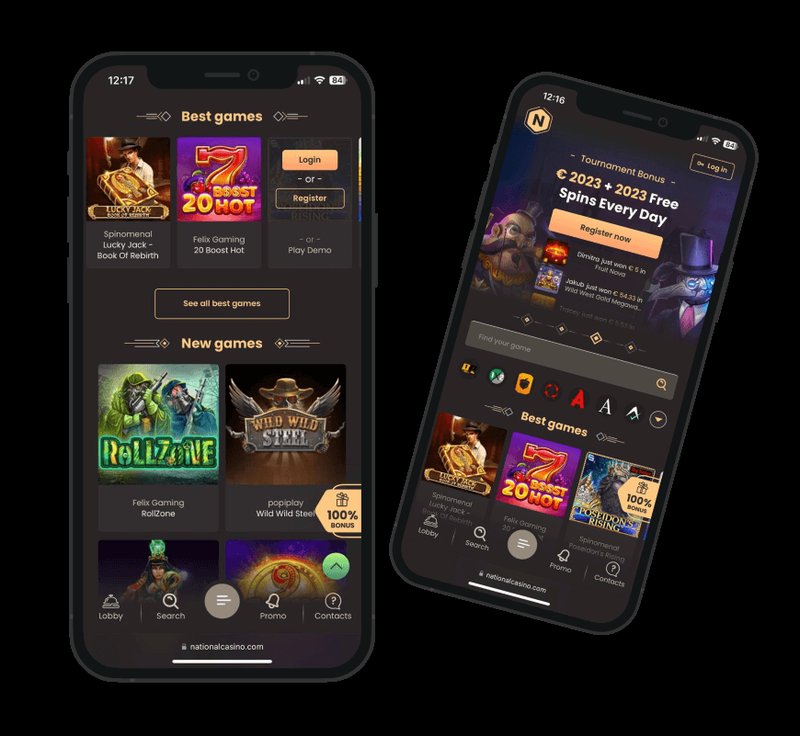
Mobile battle‑royale culture doesn’t exist in isolation. Many players transition to other forms of online entertainment, including live‑dealer platforms. For instance, the National casino offers a seamless experience that appeals to the same audience seeking quick, high‑stakes thrills on their phones.
By 2028, analysts predict that mobile battle‑royale revenues in Australia will exceed AU$800 million, a 35 % increase from 2023. The drivers will be 6G rollout, which promises sub‑20 ms latency, and the rise of cloud‑gaming services that let phones stream console‑grade titles without demanding hardware upgrades.
Developers are already experimenting with augmented reality (AR) battle‑royales that overlay virtual combat onto real‑world locations. Early trials in Sydney’s CBD showed participants staying engaged for an average of 22 minutes per session—double the typical mobile match length.
The trend is unmistakable: Australians are not just playing battle‑royales on their phones; they are shaping the genre’s future. Whether through streaming, in‑game economies, or the next wave of AR integration, mobile battle‑royales have become a cornerstone of the country’s digital leisure landscape.
5G cut latency from an average of 80 ms to under 40 ms, making gameplay smoother and more responsive.
Mobile offers accessibility, lower cost, and 5G‑enabled performance that appeals to a wider audience.
It describes battle‑royale games played on smartphones, turning any location into a battlefield.
Common drawbacks include battery drain, data usage, and hardware limitations compared to consoles.
ФАРБИ ОСЕНІ